

Başiskele
In Başiskele, which is one of the oldest residential areas of Kocaeli, 8th century B.C., an independent city-state called Astakoz was founded by immigrants from the Megara region of Greece. This city, which was destroyed by the Thracians, was turned into ruins. Today's Bahçecik district became the provincial center of Byzantium in the 10th century. The region, which was dominated by the Byzantines until the 11th century, was captured by the Ottomans in 1337, and the Armenians among the stone and construction masters brought to the region in the 16th century during the reign of Murat III were settled in Yuvacık, Bahçecik, Akmeşe and Aslanbey.
The first migrations to Yuvacık started with the arrival of Turks from the Black Sea and Caucasus in the last period of the Ottoman Empire, and the first traces of today's social structure of the district began to be seen.
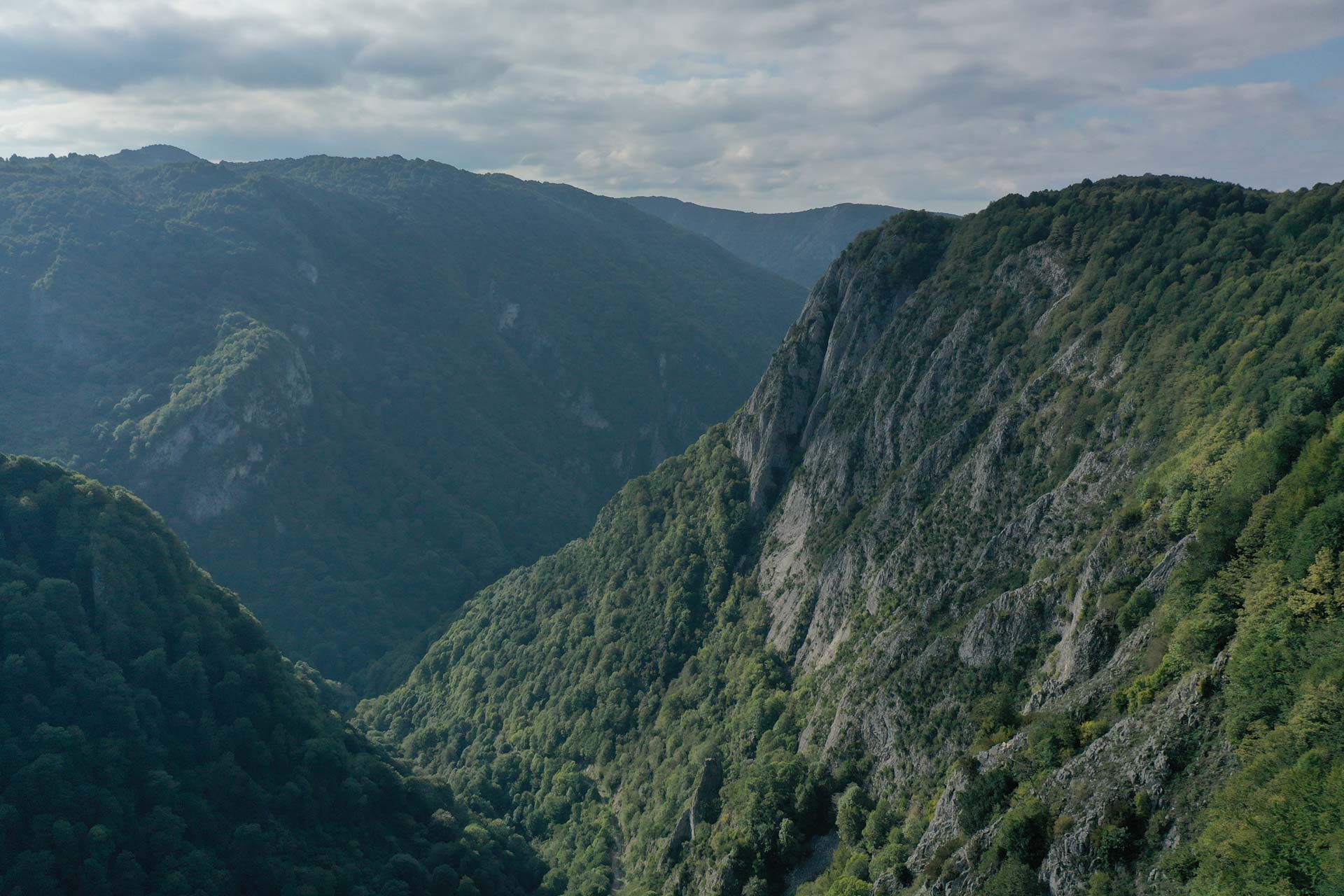
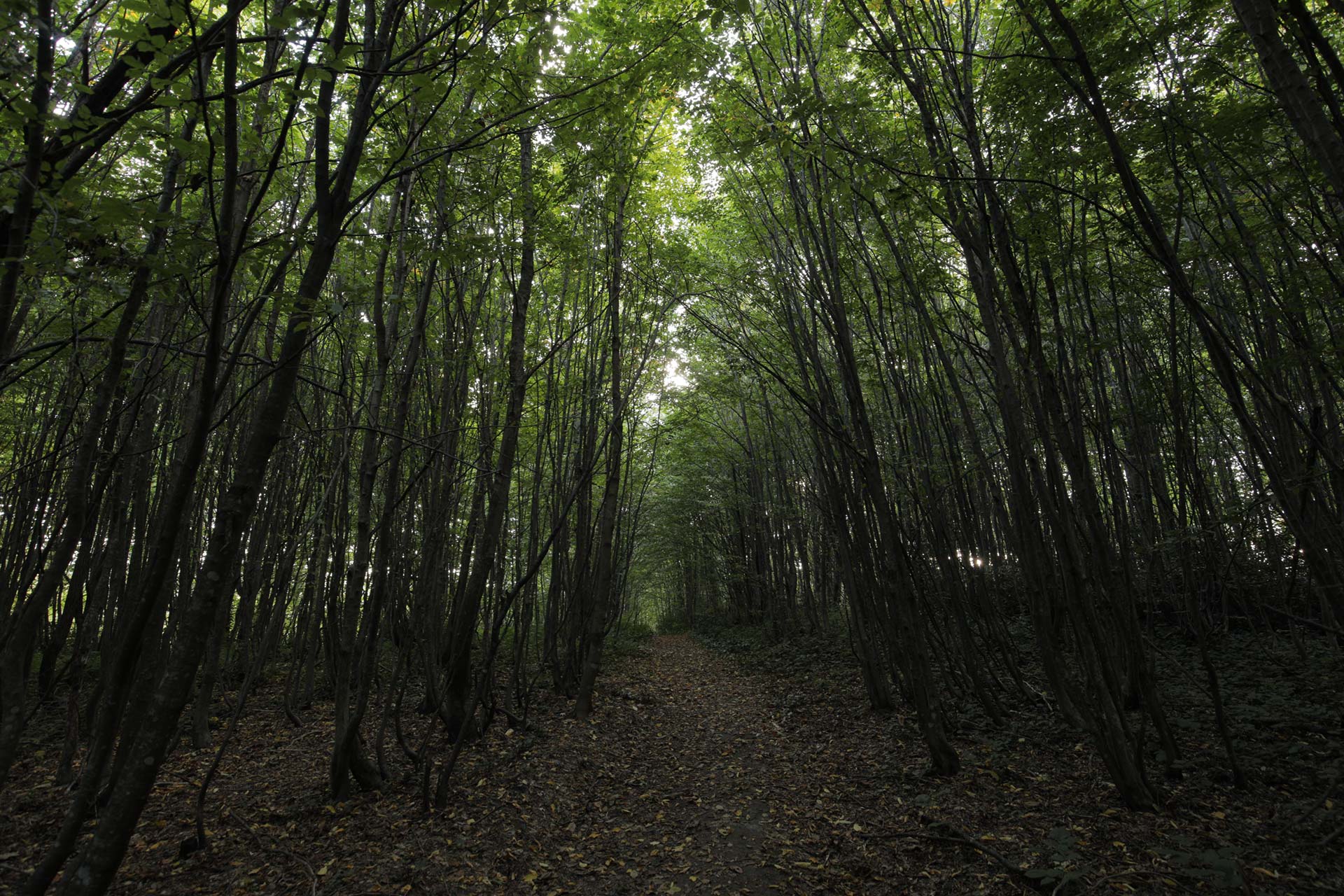
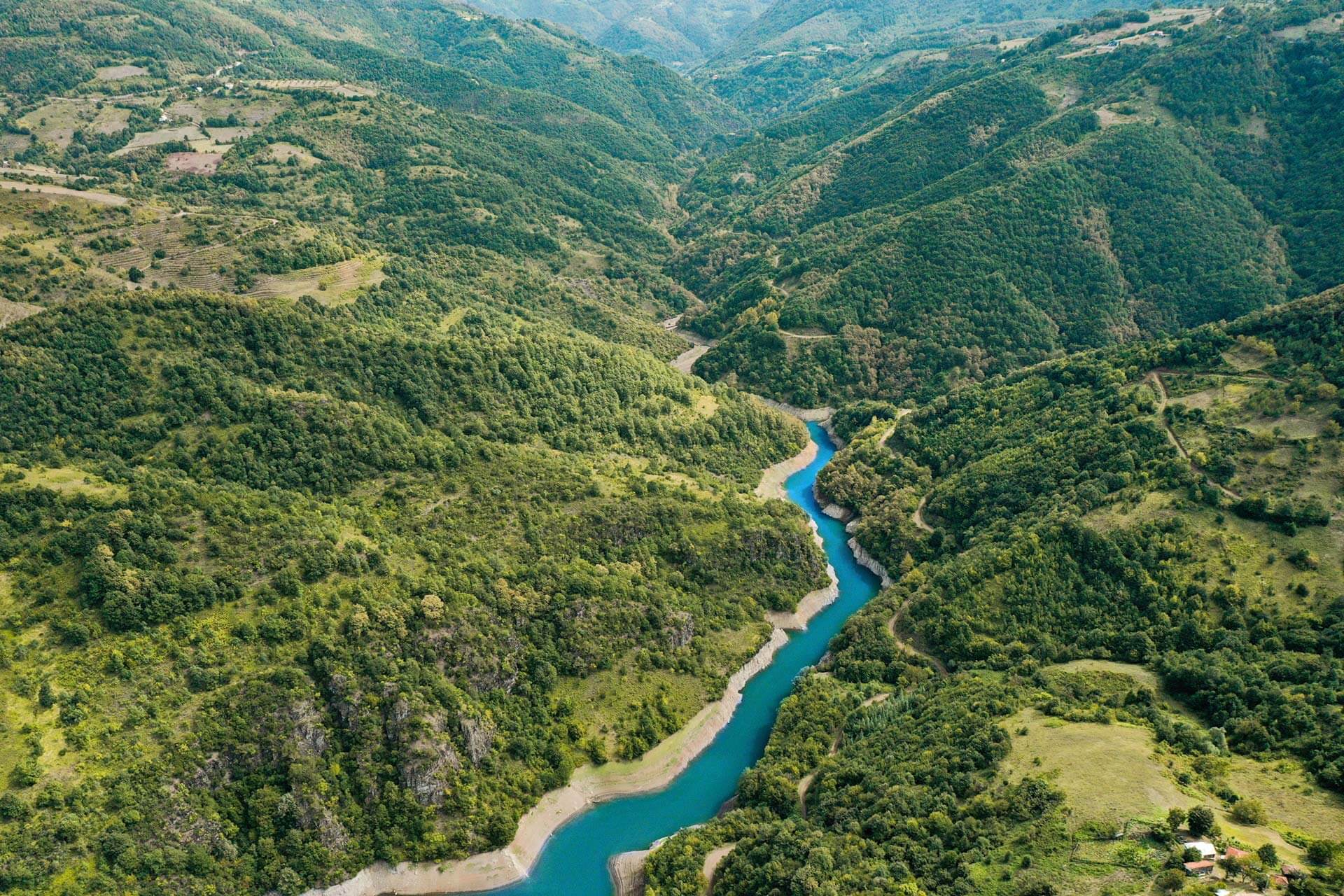
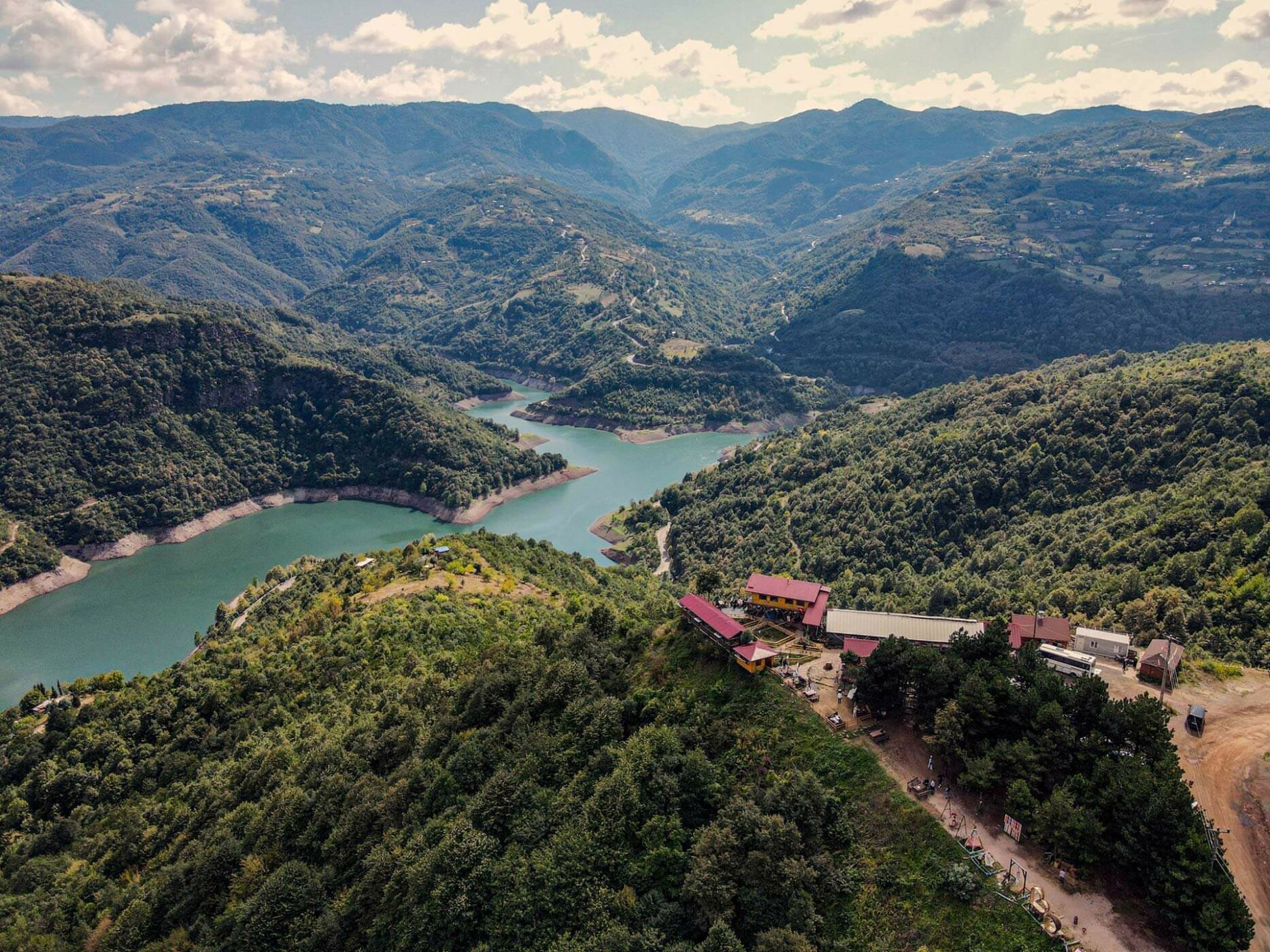
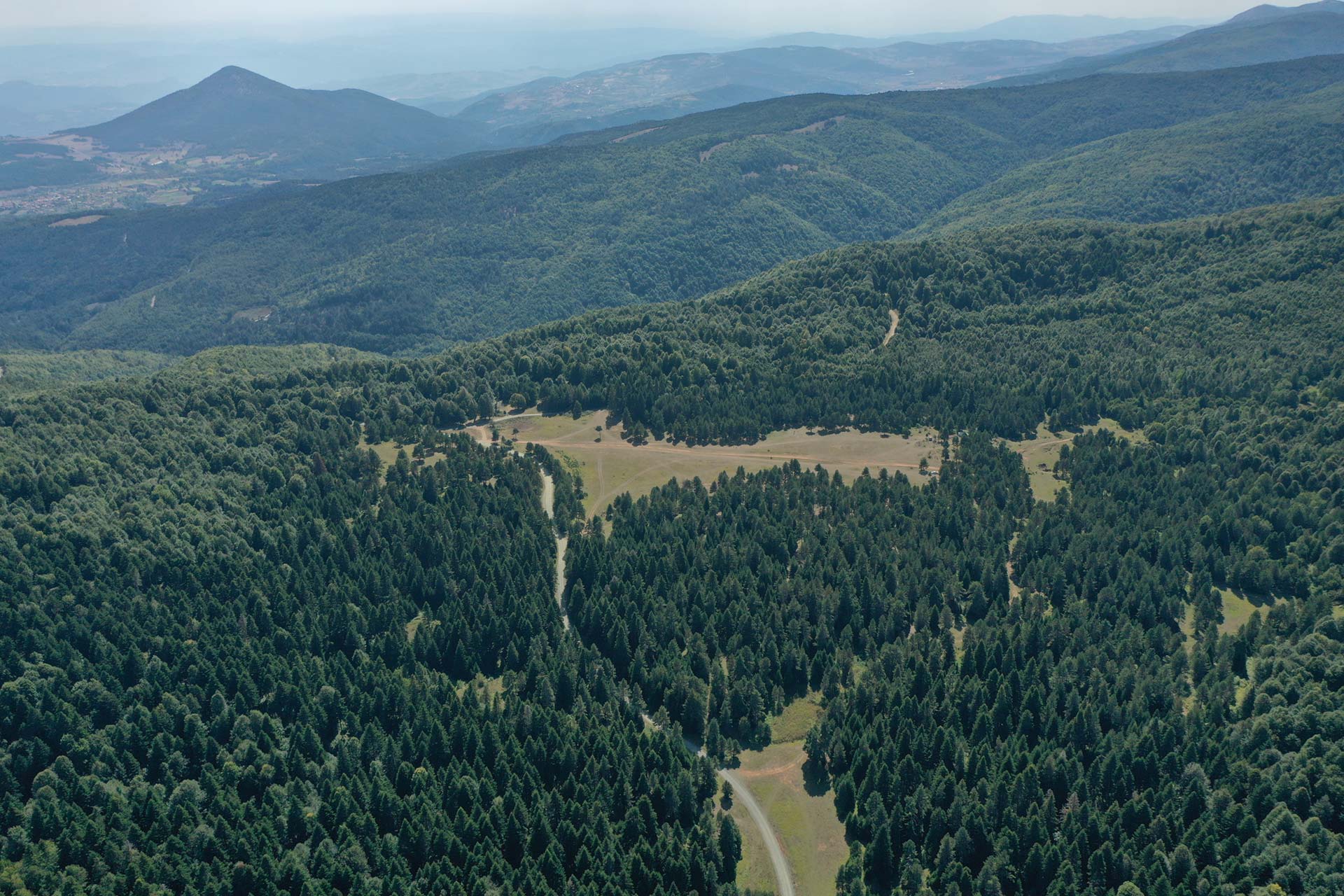
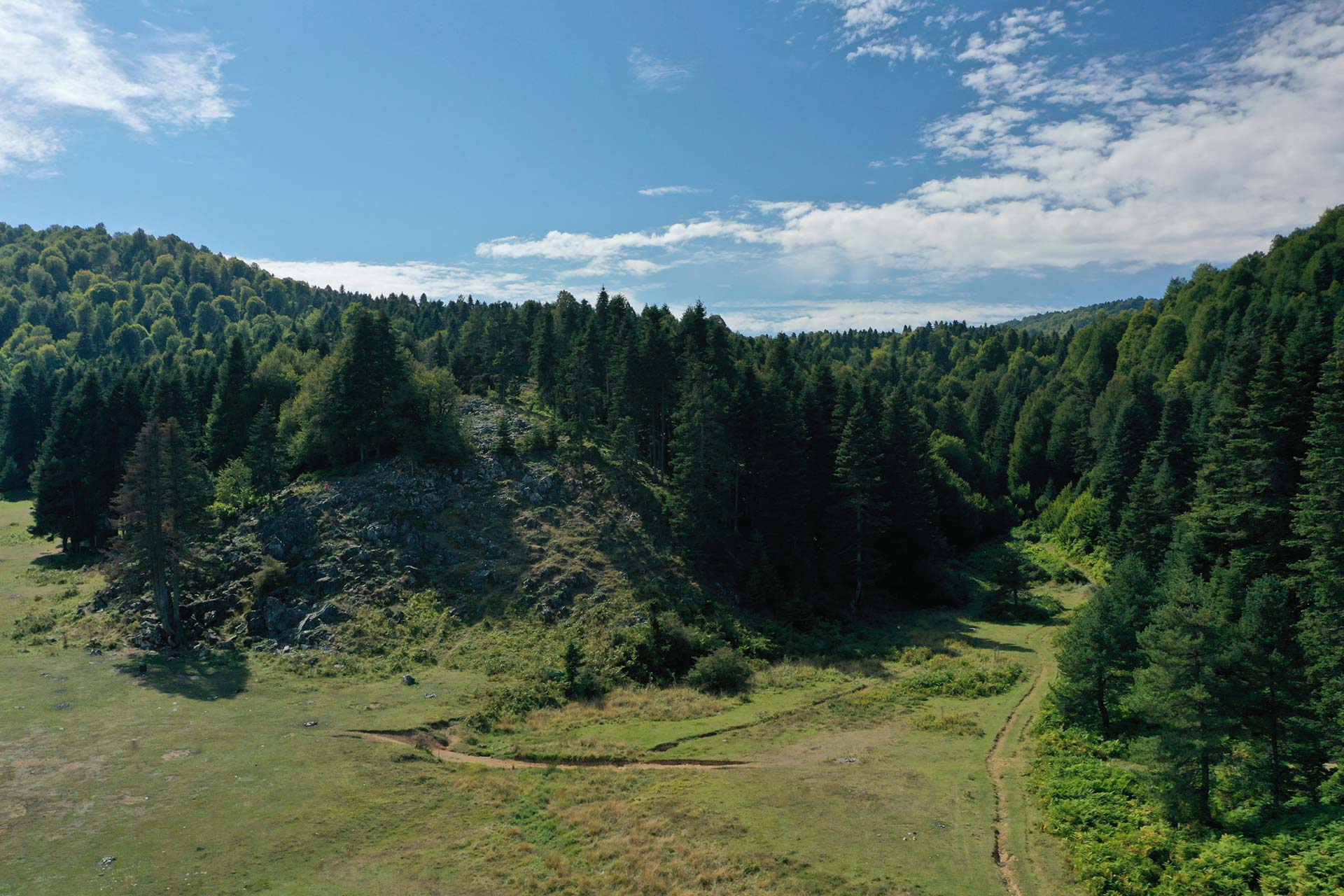
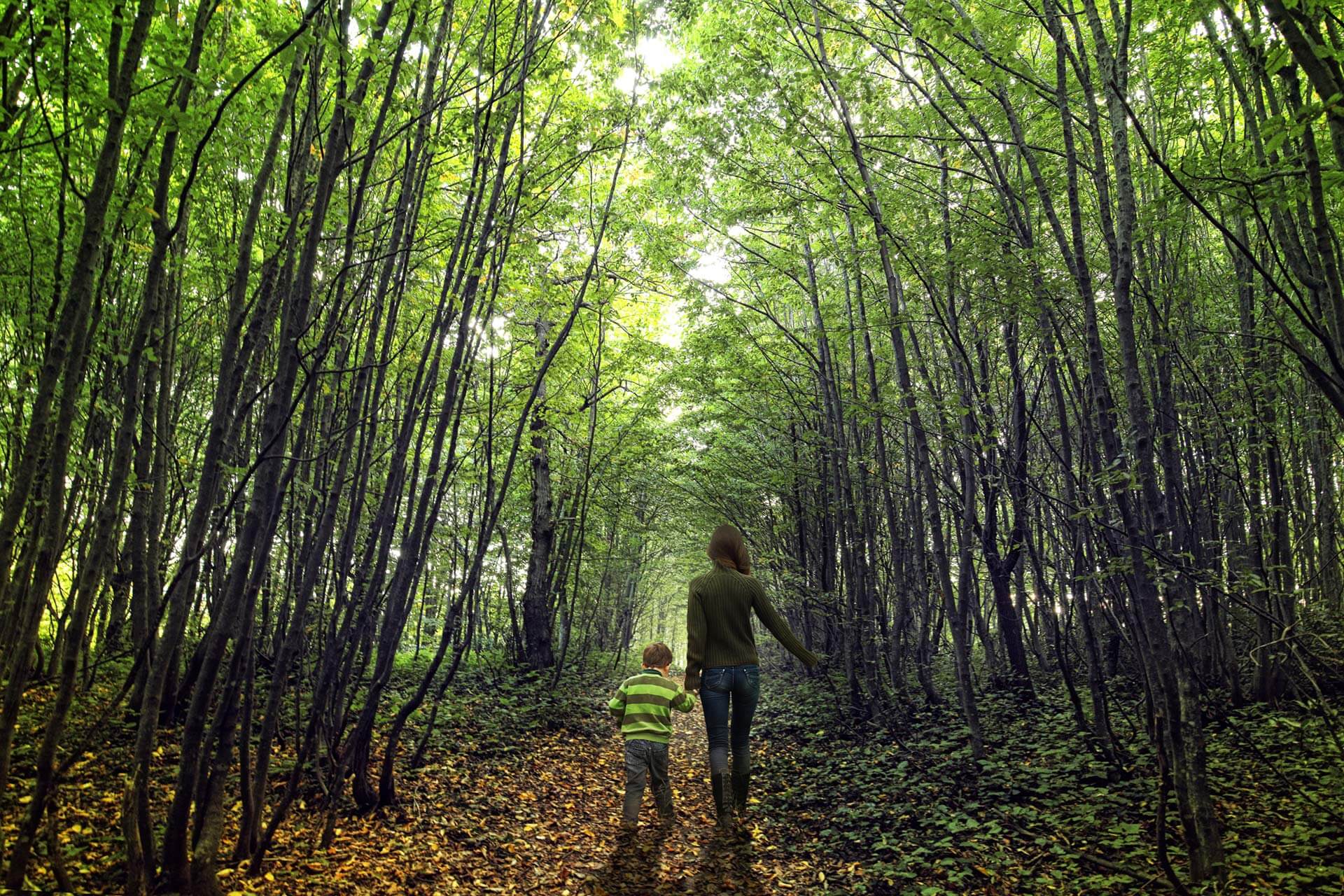
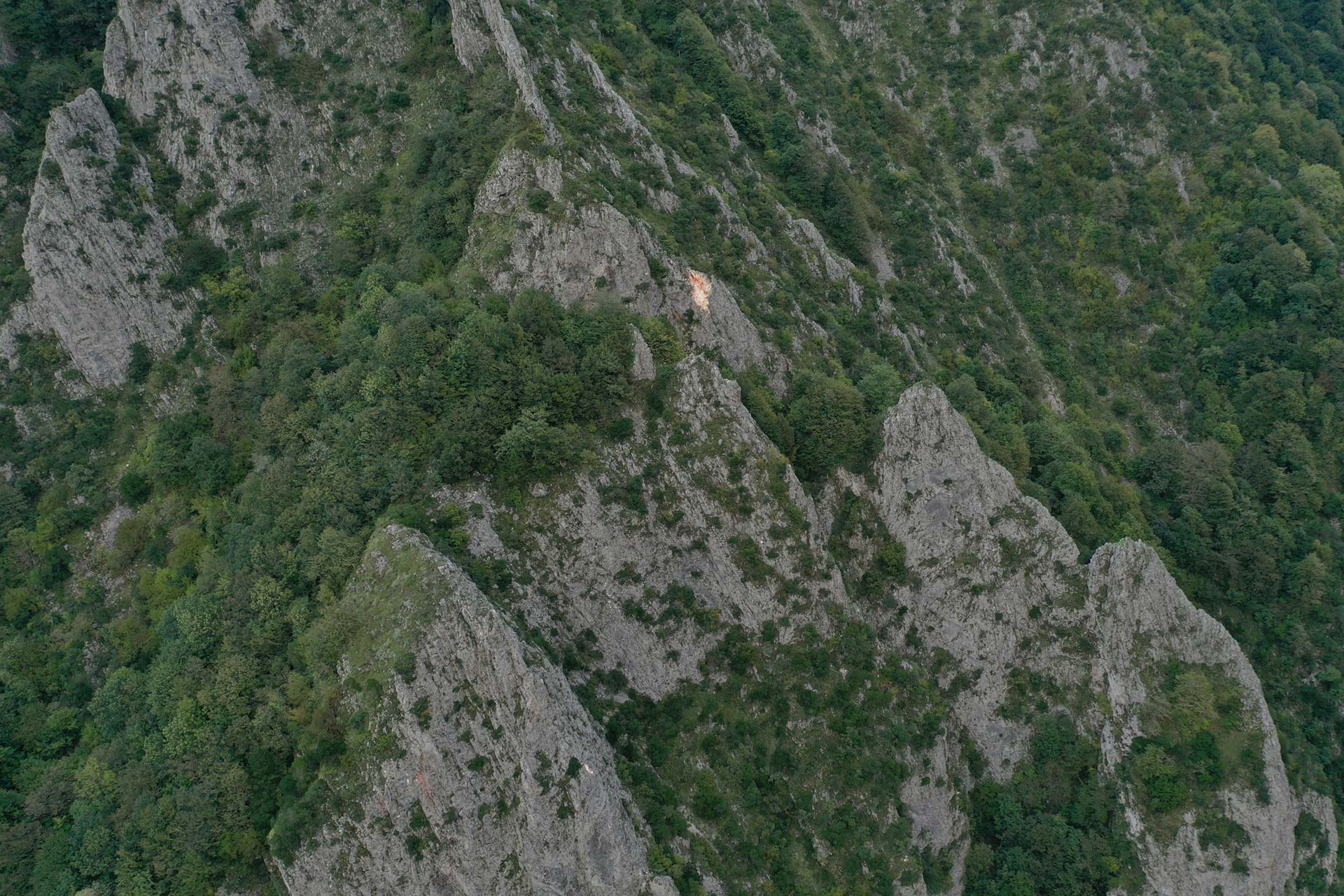
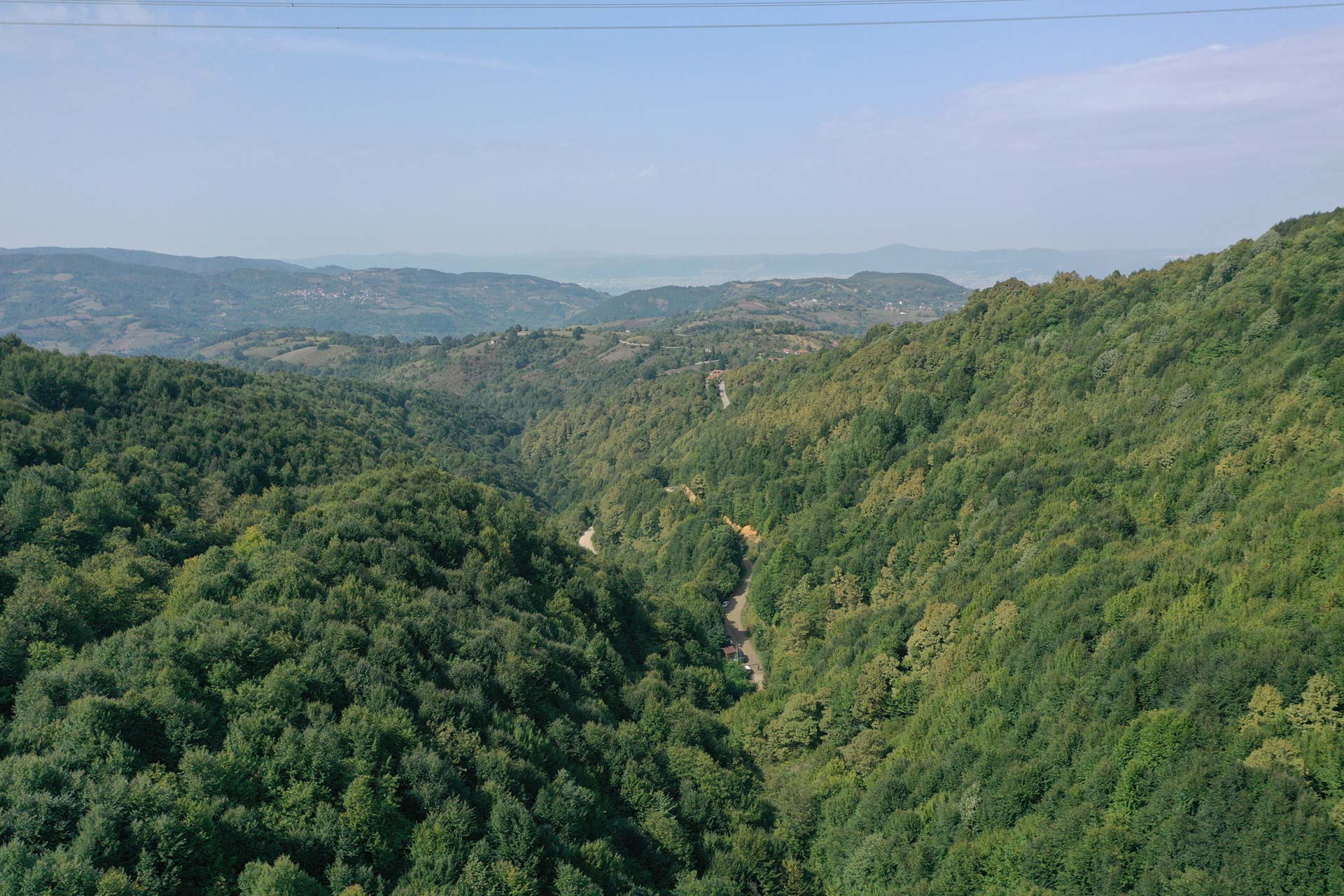
Başiskele is among the districts of Kocaeli that provide opportunities for nature walks. It is possible to do trekking by reaching Aytepe village, which is 1 hour away from Yuvacık, after passing a few villages from the hills where you will start to climb with the view of the Körfez and Izmit. Menekşe Plateau and Beşkayalar Nature Park can be reached by walking through the canyon where Soğukdere and Sıcakdere intersect. The region is suitable for tent camping as well as areas that offer the opportunity to study plants with its rich flora. Parsik Cave and Cirbin Ali Cave in Yuvacık attract visitors with their rich dripstone formations.
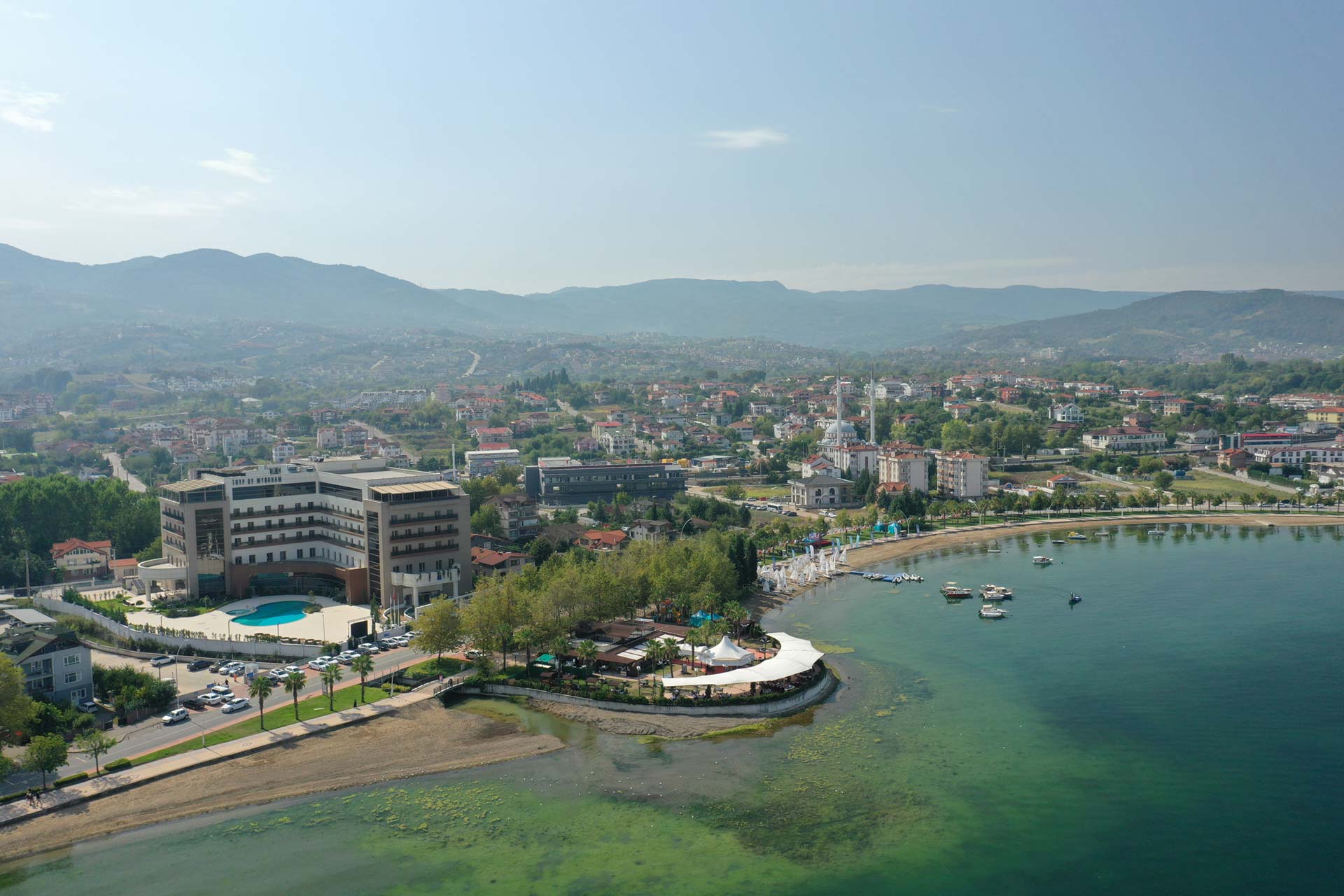
Servetiye Stone Mosque, which is one of the Ottoman architectural heritages, should be one of the discovery points on a day trip that meets the Gulf of Izmit on the coast of Başiskele. Another Ottoman architectural work of the district is the Kilezdere Bridge, which dates back to the 16th century and provides a gateway to the Historical Baghdad Road.
Photos
 Başiskele
